
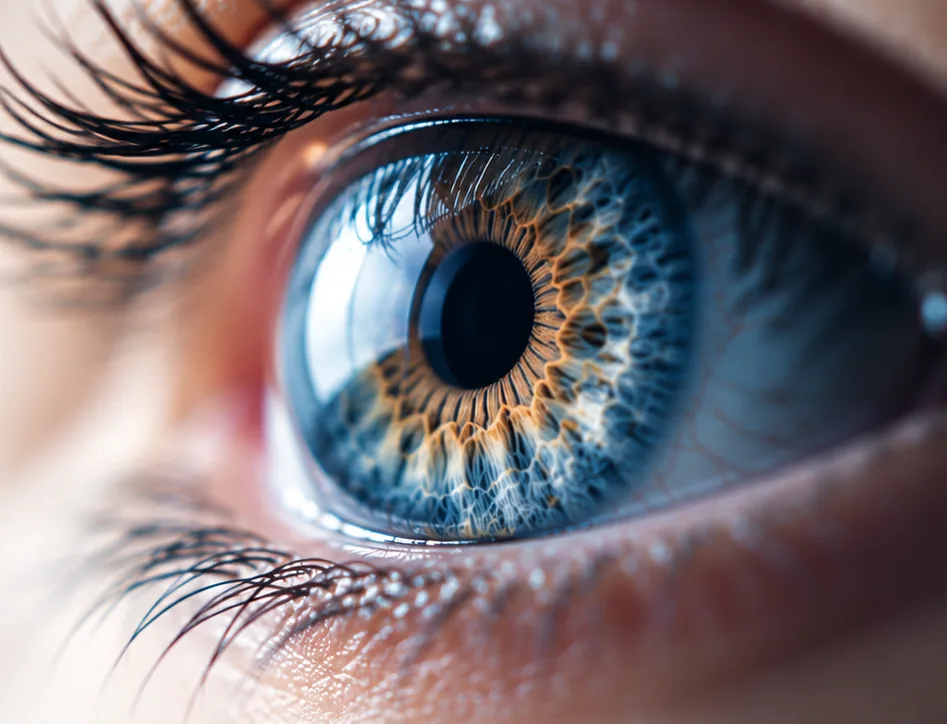
How SK is performed
The front surface of the cornea, the epithelium, is a thin layer of cells that renews itself quickly. Some conditions leave this surface bumpy, loose or cloudy, which blurs vision even when the rest of the cornea is healthy.
After numbing drops, the abnormal surface cells are gently removed, and any nodules or deposits beneath them are peeled or polished away to leave a smooth base. A soft bandage contact lens protects the eye while new surface cells grow back over several days.
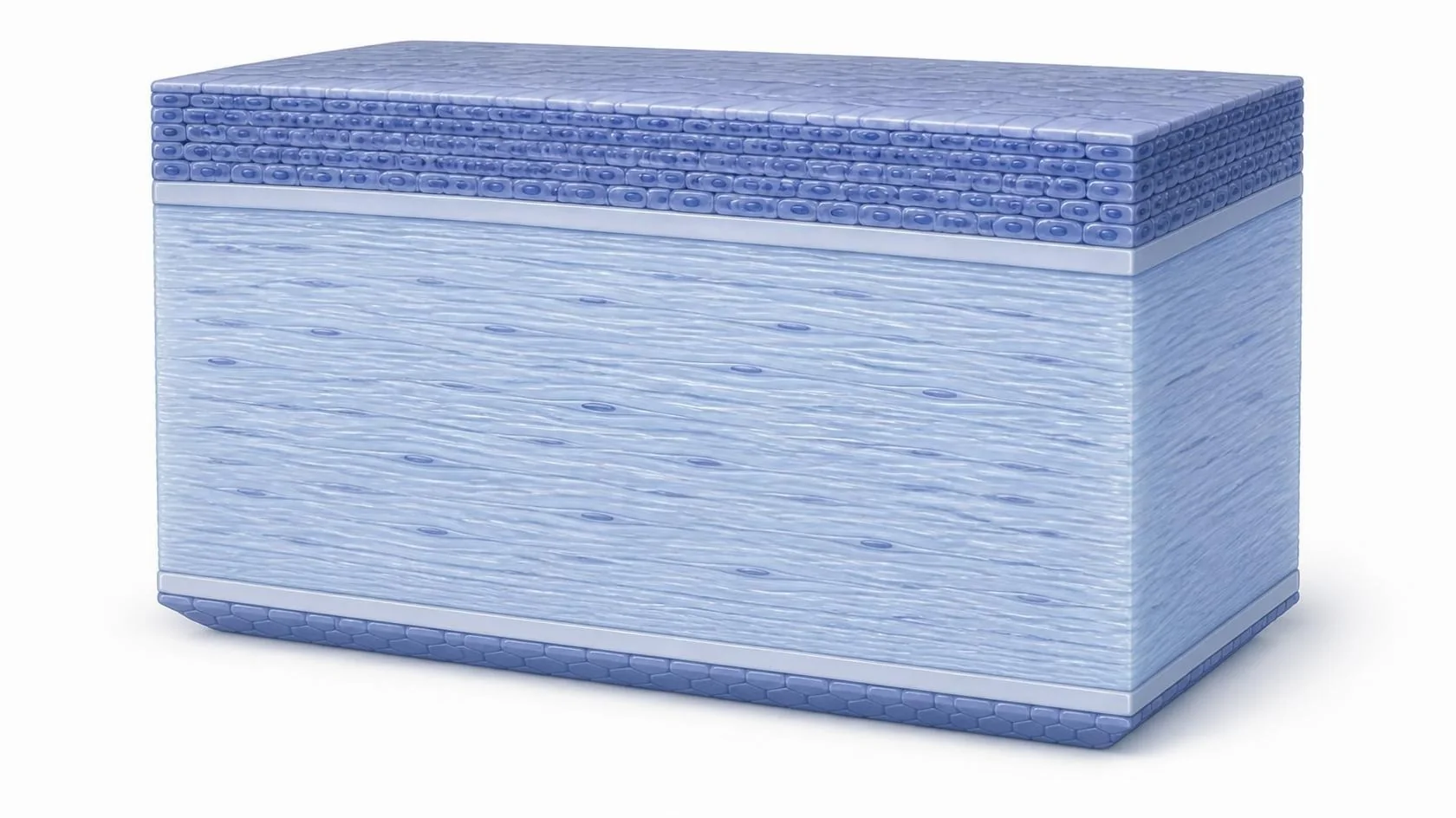
Three common reasons for SK
Each of these affects only the front of the cornea, so a surface procedure can restore a smoother, clearer view.
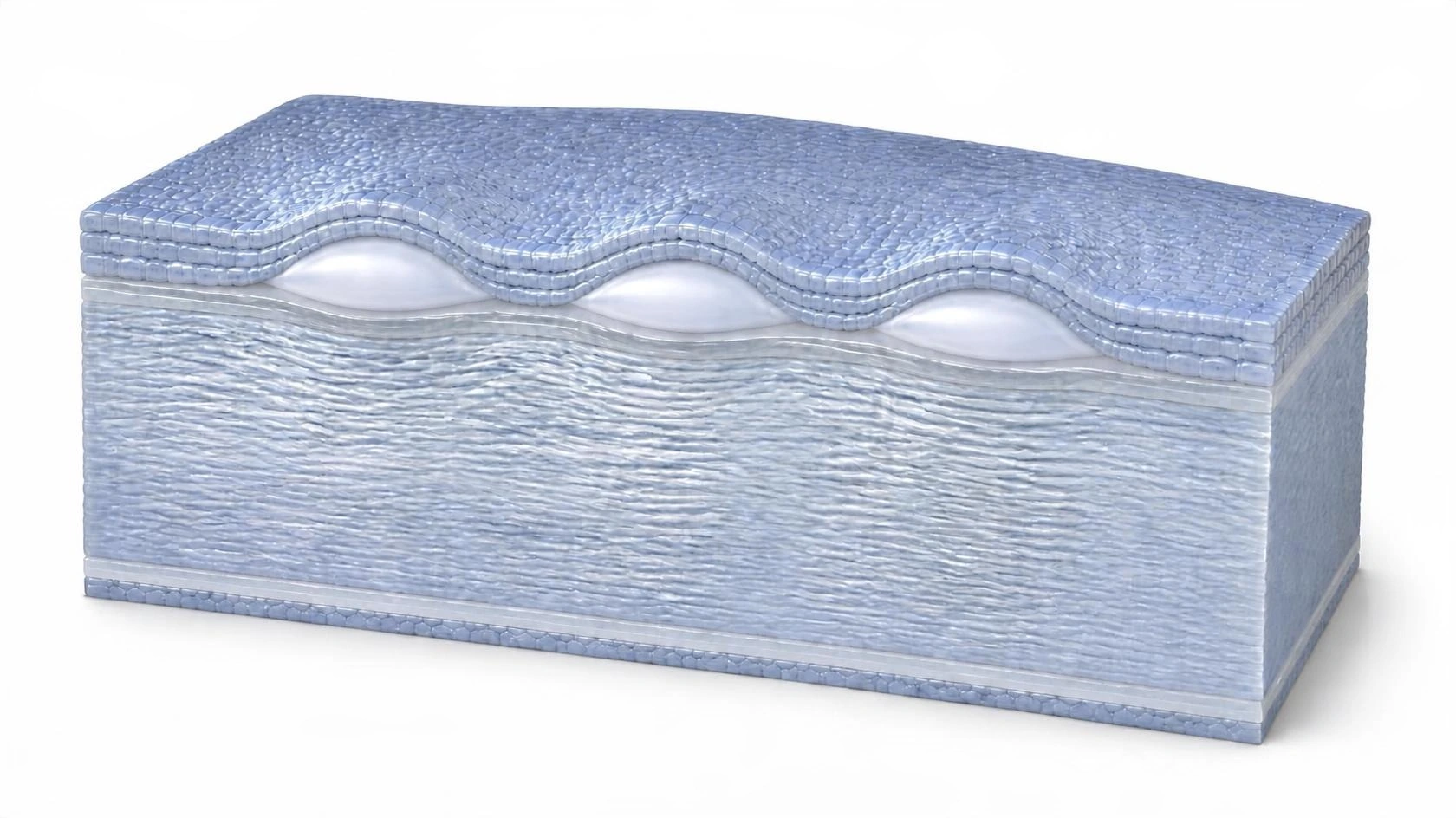 01
Salzmann’s nodules
Raised bumps on the surface
Bluish-white nodules that form on the front of the cornea, often after years of inflammation or dry eye. They can blur and distort vision and make the eye feel irritated. SK peels the nodules away to restore a smoother surface.
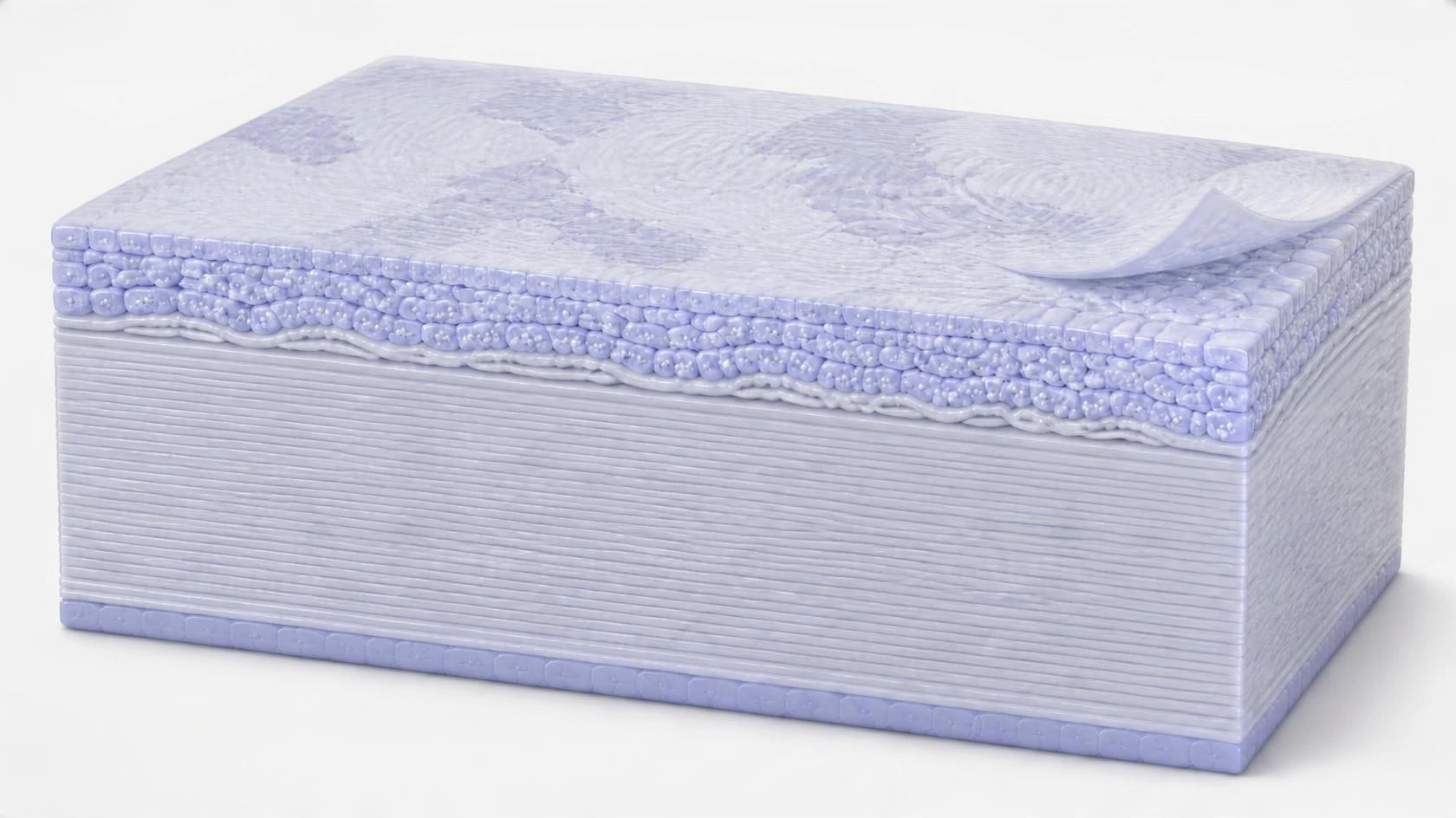 02
ABMD
Map-dot-fingerprint dystrophy
In anterior basement membrane dystrophy, the thin layer that anchors the surface cells is irregular. The surface can become uneven or slip loose, causing blur and painful morning erosions. SK removes the loose surface and smooths the base so new cells attach firmly.
 03
Band keratopathy
A chalky band of calcium
Calcium builds up in a band across the center of the cornea, often with long-standing eye inflammation or certain medical conditions. The surface is gently removed and a mild solution (EDTA) dissolves the calcium, clearing the view and smoothing the surface.
What to expect
The first few days
The eye may feel scratchy, watery and sensitive to light while the surface heals under the bandage lens. Drops help with comfort and protect against infection.
Vision
Vision is often blurry at first and improves over the following weeks as the new surface smooths out. Your glasses prescription may be updated once the cornea settles.
Before cataract surgery
An irregular surface can throw off the measurements used to choose a lens implant. Smoothing the cornea first can make those measurements, and your result, more reliable.
Every procedure has benefits and risks. Your surgeon will explain whether SK is right for your eyes.