
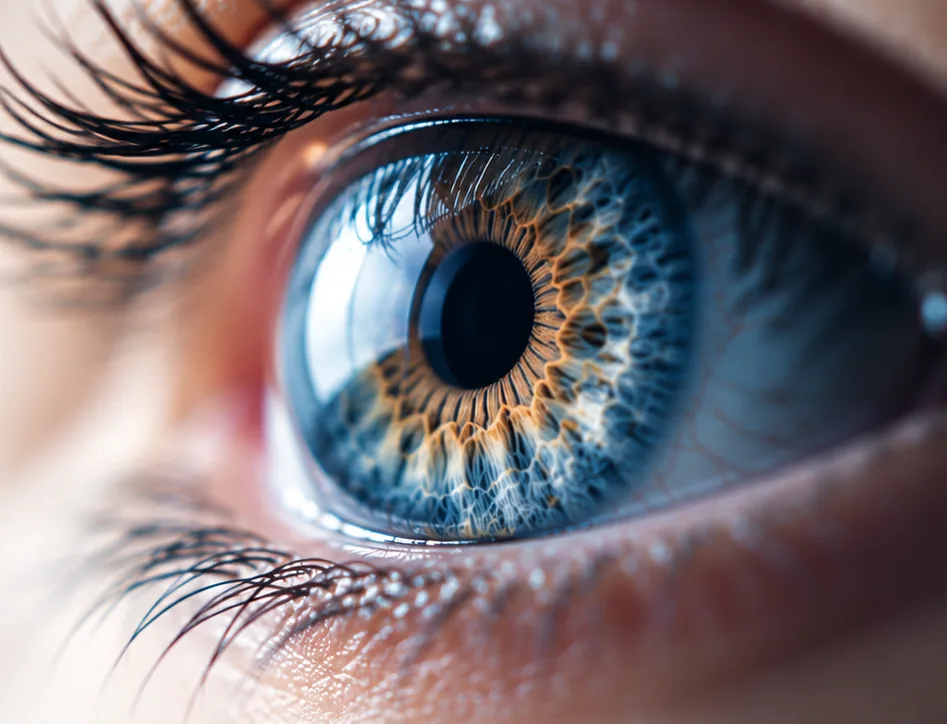
“My grandparents would never believe it, but patients today are excited to ‘finally’ have cataracts. That’s because modern results are better than LASIK. Incredible technology.”
What is a cataract?
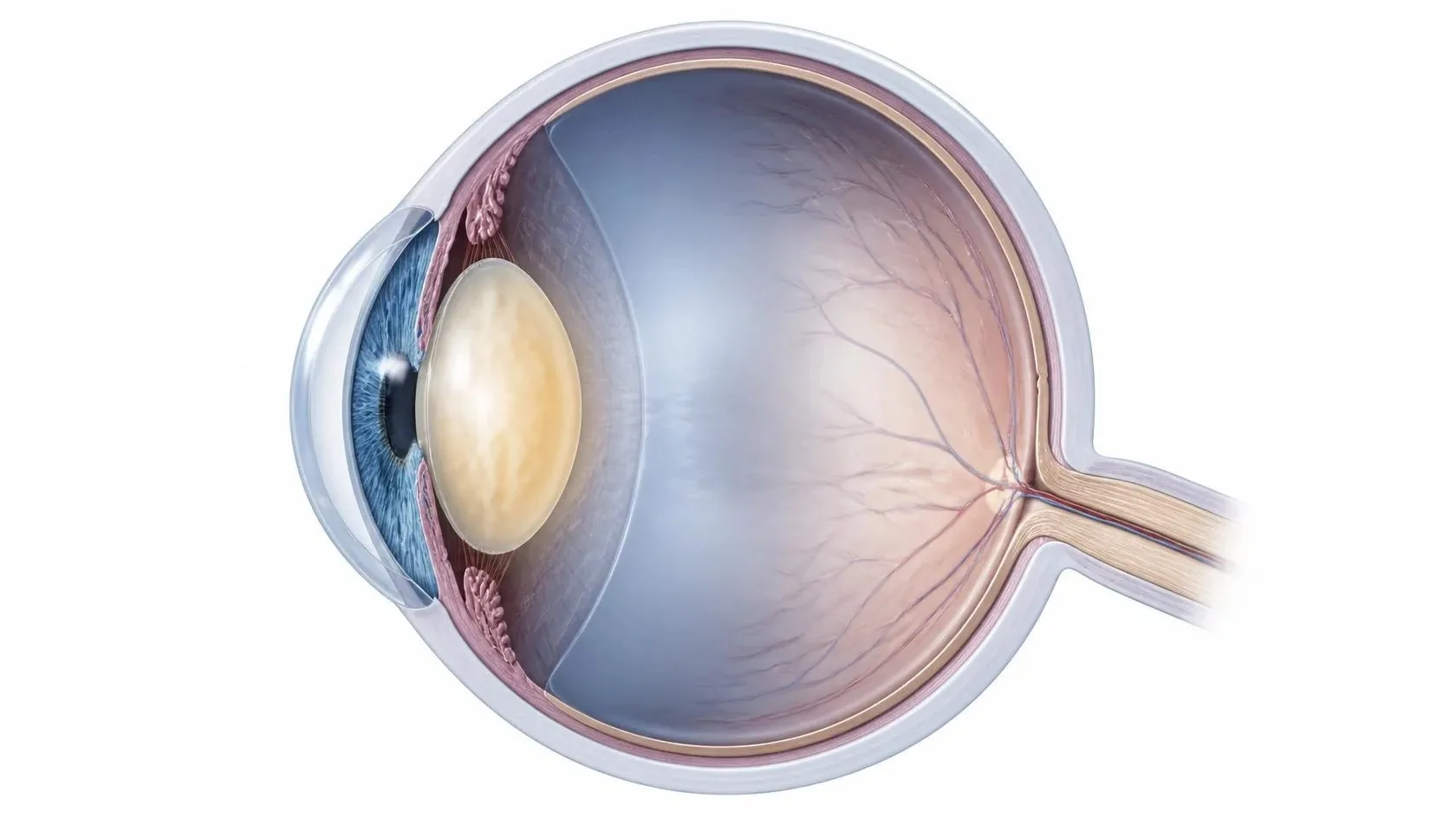
Behind the colored iris sits a clear lens that focuses light onto the retina, much like the lens of a camera. Over time, proteins in the lens can clump together and cloud it. That clouding is a cataract.
Cataracts usually form gradually, often in both eyes, and are a normal part of aging. They can also develop sooner with diabetes, long-term steroid use, eye injury, previous eye surgery or heavy sun exposure.
See how a cataract changes your vision, and how each lens option restores it
Common signs
- Blurry, cloudy or dim vision
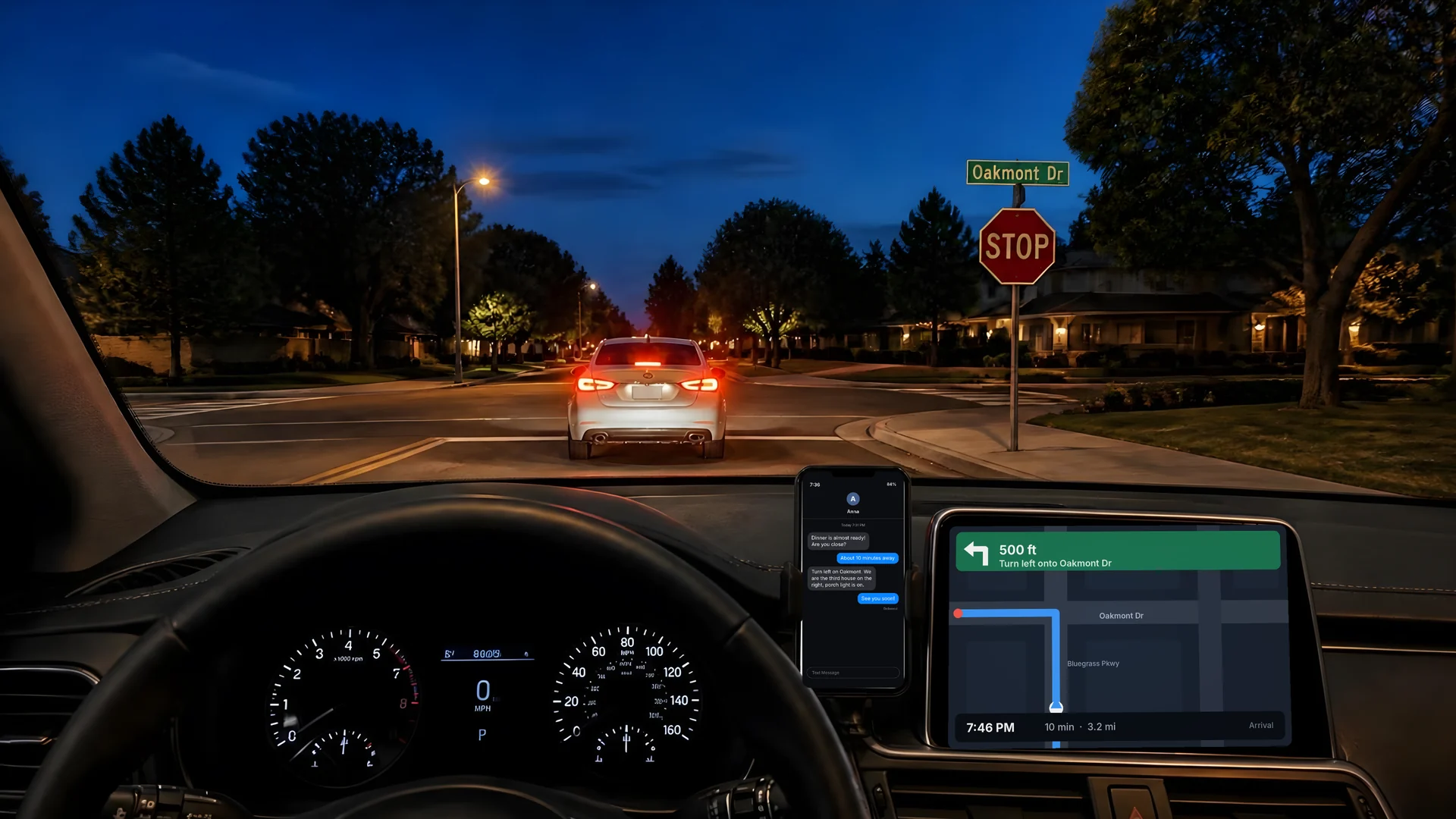
- Glare or halos around lights, especially when driving at night
- Colors that look faded or yellowed
- Needing more light to read
- Frequent changes in glasses prescription
How cataract surgery works
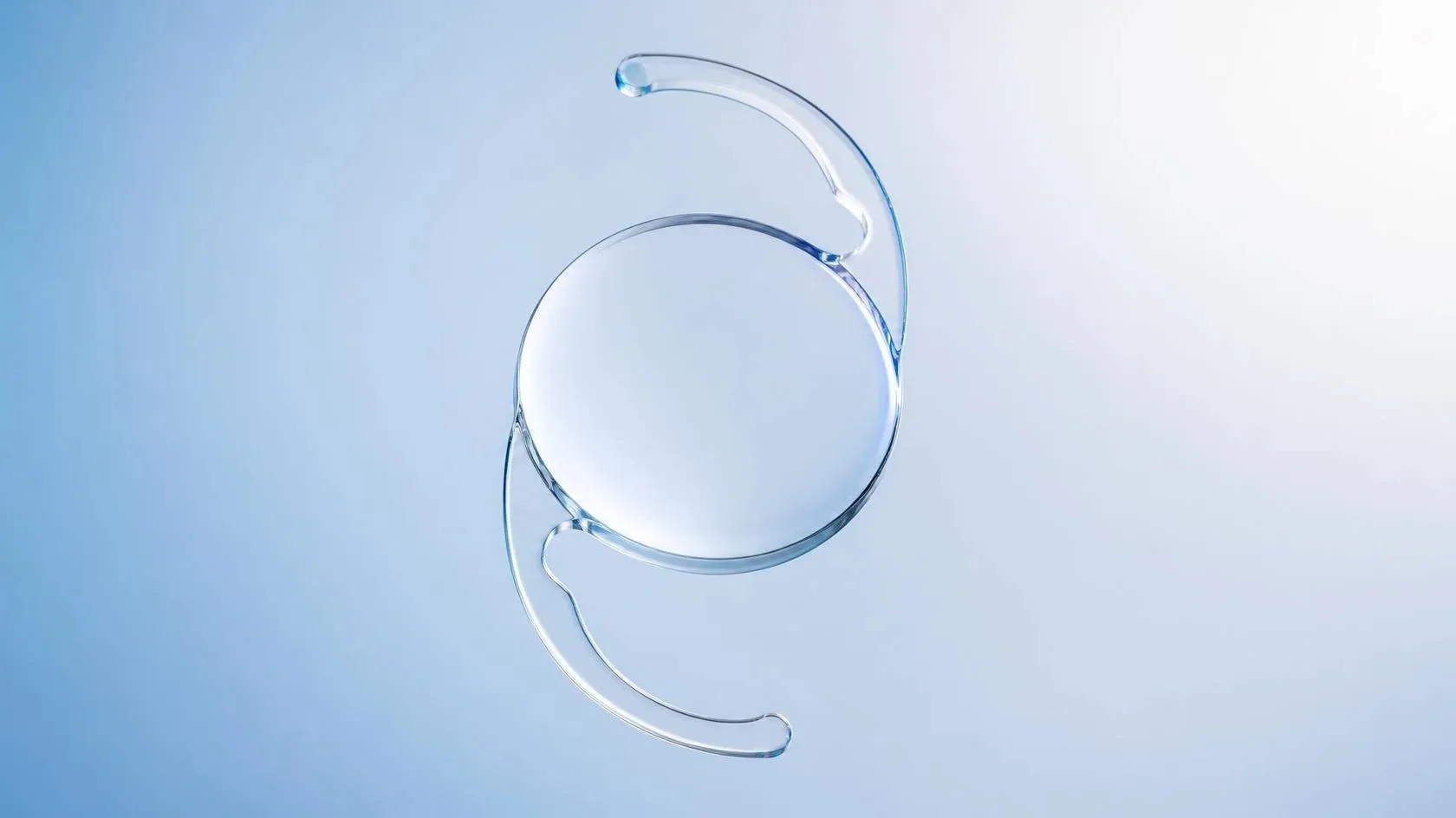
During surgery, the cloudy lens is gently removed through a very small opening and replaced with a clear artificial lens, called an intraocular lens or IOL. The new lens stays in place permanently and does not wear out.
- 1
Consultation & measurements
A full exam and precise measurements of your eye to plan surgery and choose the right lens power.
- 2
Surgery day
Numbing drops and light sedation keep you comfortable. The procedure itself is brief, and most people go home the same day.
- 3
Recovery
Possible eye drops for a few weeks (drop-free options are available) and a protective shield while sleeping. Many people notice clearer vision within days.
- 4
Second eye
If both eyes need surgery, they are usually treated on separate days.
Customize your vision.
Cataract surgery is a chance to choose how you want to see: the race, the crowd around you, and the phone in your hand.

Lens options
Today’s lens implants can do more than replace a cloudy lens. Your surgeon will help you choose based on your eyes and how you use your vision.
Basic, insurance-covered lens
Does not correct astigmatism. Bifocals are typically needed for best vision.
Astigmatism treatment included
Crisper vision and less reliance on glasses.
Mild astigmatism: laser or precision diamond blade. Higher astigmatism: a toric lens implant.
Near or far
See near or far without glasses. You pick which.
Near and far
See near and far without glasses.
See the difference between lenses
A morning at a coffee shop, at three distances: the menu across the room, the laptop on your table and the book in your hands. Choose a lens program to see how each one is designed to focus, and turn on astigmatism to see what happens to the lights.

Today, with a cataract
A cloudy lens softens detail at every distance, dulls colors and adds glare around lights. Glasses can’t fully fix it, which is why the lens is replaced.
- Far · the menu · the roadBlurry
- Middle · the laptop · the dashboardBlurry
- Near · your book · your phoneBlurry
Standard Single-Focal
The basic, insurance-covered lens. Sharper, brighter vision than a cataract, but astigmatism is not treated, so prescription glasses (usually bifocals) are needed for your best vision.
- Far · the menu · the roadSlightly soft
- Middle · the laptop · the dashboardBlurry
- Near · your book · your phoneBlurry
Custom Single-Focal, set for far
Astigmatism treated and precise planning for clear distance vision without glasses. Readers are needed for anything closer than about 2 to 3 feet. Fewest halos at night.
- Far · the menu · the roadClear
- Middle · the laptop · the dashboardSlightly soft
- Near · your book · your phoneBlurry
Custom Multi-Focal
Everything in Custom, plus near vision built in: far, middle and up close without glasses. Some people notice rings or halos around lights, most often at night.
- Far · the menu · the roadClear
- Middle · the laptop · the dashboardClear
- Near · your book · your phoneClear
Comparing your options
Hover or tap any row for more detail.
| Feature | StandardSingle-Focal | CustomSingle-Focal | CustomMultifocal |
|---|---|---|---|
All three lens programs replace the cloudy lens for sharper, clearer vision with brighter, more vivid color. | |||
Custom programs offer laser options to maximize precision, safety and the gentleness of surgery. You can also customize without the laser to save cost. | |||
Most people have some astigmatism. It can be treated on the cornea (laser or a precision diamond blade), with a toric lens implant, or both. Lower amounts need less treatment and may cost less. | |||
Similar to LASIK, custom programs include enhancements if a significant prescription remains after surgery. | |||
Custom programs are designed for clear distance vision without glasses. With the standard program, prescription bifocals are usually needed, which delays final recovery until about one month. | |||
Multifocal lenses include near correction, so you can see as close as 12 to 14 inches without glasses. Single-focal lenses usually need readers closer than 2 to 3 feet. Ask your doctor about monovision, another way to see near without glasses. | Possible with monovision | ||
With near power built in, you don’t have to stop and put on readers for your phone, a menu or your makeup. | |||
Standard: the lowest cost up front, though prescription glasses or contacts add up over time. Custom single-focal: the fewest night halos, for the best night vision of all options. Custom multifocal: the widest range; about 4 to 5% of multifocal patients notice more halos, and a few choose to exchange for a single-focal lens. | Lowest cost up front | Fewest night halos | Widest range |
Questions to ask at your consultation
- Is my cataract the main reason my vision has changed?
- Which lens option fits my eyes and my daily activities?
- Will I still need glasses, and for what?
- Do I have other eye conditions that affect my surgery or results?